What Actually Slows Aging? The Science vs. Hype | Dr. David Barzilai

Don’t forget to Become a DUTCH Provider today to gain access to free educational resources about the DUTCH Test, expert clinical support, comprehensive patient reports, and peer-reviewed and validated research! Learn more at dutchtest.com/for-providers.

For 50 years, Biotics Research Corporation has utilized “The Best of Science and Nature” to create superior nutritional supplements, available exclusively to healthcare professionals.

Timeline is a Swiss-born longevity brand founded by scientists, doctors and innovators on a mission to extend healthspan through clinically proven science. At the core is Mitopure®, a pure and patented form of Urolithin A, shown to improve mitochondrial function — a key hallmark of aging.

A modern patient lab testing experience, powered by provider expertise.
This was a conversation our team had been looking forward to for a while. We came in with a lot of questions, especially around those chronic, persistent cases that don’t respond the way we expect. Dr. Richard Horowitz, one of the most recognized experts in chronic Lyme disease and complex chronic illness worldwide, did not disappoint. He’s spent decades working with exactly these patients.
In this episode, we dig into emerging research around persistent infection and neuroinflammation, including findings that roughly half of his Lyme patients tested positive for biomarkers associated with Alzheimer’s, and what that might mean clinically. He also shares how his MSIDS model connects many of the chronic conditions we see in practice to the same underlying drivers, offering a more systems-based way to approach these cases.
He walks through what he’s testing and the protocol he’s developed to address these overlapping factors. There’s a lot here to think about, especially if you’re working with more complex patients. ~DrKF
The Infection Driving Chronic Illness | Dr. Richard Horowitz
What if chronic infections are contributing to neurodegeneration in ways we’re only beginning to recognize? In this episode of New Frontiers in Functional Medicine, Richard Horowitz joins Kara Fitzgerald to discuss research linking Borrelia burgdorferi and other persistent infections to amyloid production and Alzheimer’s biomarkers, and how this is beginning to shape clinical thinking.
Dr. Horowitz also shares his MSIDS (Multiple Systemic Infectious Disease Syndrome) model, outlining how overlapping drivers, including infections, toxins, immune dysfunction, and gut-related inflammation, contribute to complex chronic conditions such as Lyme disease, ME/CFS, fibromyalgia, and long COVID. The conversation highlights biofilm persistence, treatment resistance, and multi-targeted strategies that address both infection and the broader physiological terrain, offering clinicians a more practical framework for managing treatment-resistant cases.
In this episode of New Frontiers, learn about:
- The MSIDS Model and Chronic Disease Drivers: Discover how 16 overlapping factors, including infections, toxins, immune dysfunction, and inflammation, contribute to chronic illness and how to evaluate them systematically in practice.
- Persistent Infection and Biofilm Resistance: Learn why patients relapse after standard treatment, how biofilm and intracellular forms limit antibiotic efficacy, and what this means for long-term outcomes.
- Dapsone Combination Therapy and Clinical Application: Explore the rationale for multi-drug protocols targeting persistent infections and how to manage inflammatory responses, side effects, and patient tolerance.
- Co-Infections and Multilayered Illness: Discover the clinical impact of Bartonella and Babesia, how to identify them, and when to prioritize or sequence treatment.
- Lyme Disease and Neurodegeneration: Learn how Borrelia and other infections may contribute to amyloid production and Alzheimer’s pathology, and why this connection is often overlooked.
- Neuroinflammatory Biomarkers in Practice: Understand when to test for markers such as pTau, beta amyloid ratios, and neurofilament light, and how these can guide earlier intervention.
- Unifying Chronic Conditions Under One Framework: Explore why Lyme, long COVID, ME/CFS, and fibromyalgia share common underlying drivers and how to approach them clinically.
- Building Resiliency and Preventing Relapse: Discover how gut health, detoxification, mitochondrial support, sleep, and limbic retraining influence recovery and long-term outcomes.
Dr. Kara Fitzgerald: Welcome to New Frontiers in Functional Medicine where we are interviewing the best minds in functional medicine. And of course today is no exception. I am here with Dr. Richard Horowitz. He’s a board-certified internist and one of the most recognized experts in chronic Lyme disease and complex chronic illnesses. For the past 40 years, he’s treated more than 13,000 patients with Lyme and other tick-borne disorders and he’s been a leading voice advancing comprehensive integrative approaches to diagnosis and treatment. He’s the author of bestselling books like Why Can’t I Get Better, and continues to push the field forward with new research, new models, et cetera.
Dr. Kara Fitzgerald: In this episode, we spent some time exploring the Alzheimer, or the MCI Lyme link. We also discuss his up and coming book, Ending Chronic Illness, where he expands beyond Lyme disease and really casts this wide functional/systems net to pin down underlying drivers of inflammation, ultimately presenting in chronic diseases and how we might address them. It’s a fascinating, just really cool, thought-provoking episode. I’m sure you’ll take some notes and it’ll inform your thinking clinically.
Dr. Kara Fitzgerald: Welcome to New Frontiers. It’s really great to have you here. You’ve influenced many, many, many physicians in functional medicine over, I don’t know, 40 years, I think you’ve been at this. That’s pretty extraordinary. I’m now in Mexico, but we weren’t far away. I was in Connecticut for many years in my practice – our brick and mortar – is still there. You’re in Hudson Valley.
Richard Horowitz, MD: That’s correct.
Dr. Kara Fitzgerald: So first of all, we’re going to lean into your book a little bit, Ending Chronic Illness, A New Framework for Root Cause Medicine, so we’re going to be touching on some of the concepts there. But since I have you here for an hour or so, I broadly want to pick your brain. And as I said to you off air, my team has been pinging me with a lot of different questions, which we’ll get to if we can, but you’re one of those people for whom— You know, you’re kind of a clinician’s clinician. So I just wanted to go back in time with you a little bit. You’re in Hudson Valley, so clearly you’re seeing Lyme, but how did you come to focus on it so many years ago?
Richard Horowitz, MD: It’s an interesting question. So when I finished my seven-year medical residency in Belgium in French, which was a great experience, I came back to New York and I did my internal medicine training at Mount Sinai, New York. My parents lived in Bayside and in Flushing and the Whitestone area. So I decided I didn’t want to really open up—My mother wanted to open up a place for me in Bayside. I went, Ma, I want the mountains. I want the rivers. I want to be a country doc.
Richard Horowitz, MD: So I moved to the Hudson Valley. And especially because I had been studying Tibetan Buddhism with my teachers from Brussels, and Lama Gendün Rinpoche had said to me, “It would be very good for you to keep learning and meditating,” and there was a monastery in Wappingers Falls, so I figured, okay, Vassar Hospital is right there and St. Francis is right there, so I opened a practice there. Mostly with the idea that I would be a country doc and I would keep studying Tibetan Buddhism and meditation with these teachers.
Richard Horowitz, MD: Of course, what happened is I moved into the largest Lyme endemic area in the United States at the time. But I kind of fell into it. It wasn’t like I was asking to be a Lyme doctor. It’s not like you grow up and it’s like, hey, Dr. H, what do you want to be when you grow up? Oh, I’d want to be a Lyme doctor. It’s like, nah, that’s not the way this is. So what was interesting about my story is that I went to my Tibetan teacher, Lama Gendün Rinpoche, in the seventh year of medical training, and I said to him, “What’s the most important thing you want me to know before I go out as a doctor in the world?” And he said, Richard, the most important thing is exchange yourself with others and do for them what you would want done for yourself. He said, if you do that, everything will go well.”
Richard Horowitz, MD: And it’s interesting because, even though I think I’m a nice person and I might have done the right thing for people, it’s interesting that when you’re dealing with a new disease like Lyme was in the late 80s and early 90s when I started seeing these patients, and you’re sending them to infectious disease doctors, and rheumatologists and neurologists and nobody knows what to do, you could have just said, well, that’s it. I did my best. But I thought about this thing that Lama Gendün Rinpoche said to me about exchanging myself and I said, well, look, if I was sick, I would want my doctor to find solutions. And that started a 41-year journey with over 13,000 chronically ill people looking for answers.
Richard Horowitz, MD: And what’s really amazing is now my work looks like it’s going to start going into the Alzheimer’s field because we just got this paper accepted in the Journal of Alzheimer’s Disease Case Studies that we lowered phosphorylated tau and improved beta amyloid ratios better than the anti-amyloid drugs that are out there. I mean, this is groundbreaking news because most of the time— and you know this because of the way medicine is—We name a disease and we throw drugs at it instead of looking at the underlying root causes of why it’s there.
Richard Horowitz, MD: What got published in this article is that all 16 of these MSIDS factors that I found for Lyme, that I also published for long COVID, they all show up with Alzheimer’s. So, you know, it’s really exciting stuff.
Dr. Kara Fitzgerald: Yeah, and I do want to talk about that. That is really interesting and we’ll link to it in the show notes. We’ll link to that paper and we’ll link to your other work. First of all, that’s a really interesting origin story. You know, that it really came from your Buddhist training that you stuck with it. Because I can imagine back in the day when you started seeing people showing up with migrating arthralgias and crazy rashes and the varied phenotypic presentation, it must have been pretty daunting, right?
Richard Horowitz, MD: (05:05) Yeah, it was. But as a board-certified internist—and you’re taught the same thing—90% of everything we do is taking a good clinical history, right? But, ultimately, the part that was daunting, quite truthfully, was not so much giving them antibiotics and having them relapse and trying to figure out why this was happening. The daunting part was actually the medical political part of this disease, which I was really naive when I walked onto the battlefield. I thought, hey, everybody’s as well-meaning as I am. They want to help people. And here I walked onto this medical political battlefield.
Richard Horowitz, MD: I was the first doctor to discover babesiosis in the Hudson Valley back in the 1990s. And I brought in the health department and I brought in the HMOs and I said, look, I’ve got people walking out of wheelchairs who were paralyzed. These people are getting better. Isn’t this exciting? And it’s like, you found a disease that doesn’t exist. You’re using money for a disease… And I got thrown out of insurance companies and HMOs and had to basically remortgage my house to be able to stay in medicine. And again, it was this motivation of I have to keep helping, otherwise maybe I would have given up. I don’t even know at this point. But that was actually the more daunting part, was the medical political aspect. The rest of it was—
Dr. Kara Fitzgerald: Just the massive pushback, yeah.
Richard Horowitz, MD: (06:28) Yeah, that was the most…
Dr. Kara Fitzgerald: How did you figure out babesiosis?
Richard Horowitz, MD: You know, it’s interesting. This woman came to me in the early 1990s and she came in with drenching night sweats. She was in a wheelchair for five years, unable to walk. And I took a history, and she wasn’t in menopause, she didn’t have hyperthyroidism, there were no big lymph nodes, she didn’t have non-Hodgkin’s lymphoma, TB, any cause of drenching sweats. And I said, this sounds like this parasite that I just learned about at a Lyme conference. You know, with spirit, whatever you want to call this, God, Buddha, whatever you’re going to call it, I always seem to be in the right place at the right time. Because I had just gotten home from a conference where they were discussing Babesia, and I went, this sounds like this malaria-like parasite. We sent out the ticks from the Cary Institute of Ecosystem Studies, from Rick Ostfeld. We checked her blood and it was Babesia positive for Babesia microti.
Richard Horowitz, MD: At the time, Mepron, Zithromax worked. We gave her this 10-day course, and within six months, this woman was walking out of a wheelchair. She’s skiing now and in great health, but she was my first test case and then I discovered it in hundreds of people. And unfortunately, the insurance companies and HMOs pushed back, as did the health department. The funny part, of course, is now I’ve worked for the New York State Health Department. I’ve worked for HHS, for the government. There’s been a complete turnaround with the politics over time, although of course it’s still very dysfunctional because it is a chronic persistent infection, just like Babesia is and Bartonella is. But yeah, she was my first test case, and then we started finding it in a lot of people, and it made a huge difference with getting them better.
Dr. Kara Fitzgerald: Wow, that’s a really interesting backstory. Yeah, I hear you. I hear you that we do tend to learn what we need to know right at the right time. That’s kind of extraordinary. Yeah, I learned that when I was in a lab. I was in a laboratory and our director had similar sentiments. We were right in the middle of just the geekiest biochemical lab.
Dr. Kara Fitzgerald: Anyway, so you start treating these cases, you’re using mostly antimicrobial interventions, but you were starting to expand. I guess I’m just curious. You’ve bridged into functional medicine and you’re still looking—I mean infectious diseases still play a massive role, and you’re looking for bacteria, parasites, viruses, et cetera, molds and on and on. Not that that’s an infectious contributor but those exposures. Anyway, when did that come in? When did that start informing your thinking with regard to treatment?
Richard Horowitz, MD: From a functional medicine standpoint, as you know, we’re not really taught this well in med school. Although in my med training, which was seven years, I had two years of nutritional biochemistry.
Dr. Kara Fitzgerald: Oh you did? Interesting.
Richard Horowitz, MD: Oh yeah. The Belgian system, I will tell you, it was phenomenal. I had four years of training in the hospitals, one year of ENT, one year of derm, one year—I mean, it was really comprehensive. So I think their training did help me. But ultimately, again, with this motivation of how can I make people better? How can I keep doing better?
Richard Horowitz, MD: I don’t think there’s any doctor who will not find functional medicine after a while. And honestly, it was Sherry Rogers who was the first one who turned me on to all this. I was reading Tired or Toxic, I was reading about the biochemical pathways, about toxins getting in. She’s the first one who probably, with Dr. Bill Rea, started turning me on to this. And then I started, of course, attending conferences and just reading the literature. And I found, of course, that it was such an essential piece, that classical medicine gave me some good tools in my toolbox, but it clearly was not enough.
Richard Horowitz, MD: I needed to look at the gut. I needed to look at leaky gut and mast cell activation because leaky gut and leaky brain barrier was happening. And then of course I was looking at finding mold toxins in a large percentage. And it’s not like you don’t learn it in med school, but they don’t really teach you the techniques for doing that kind of detoxification. You’ll learn about heavy metals but I had to figure out, how can I use DMSA or DMPS or EDTA to get out these heavy metals? And lo and behold, a quarter of these chronic Lyme patients who were very resistant, all of a sudden you pull out the metals, you pull out the mold, and they go, wow, my brain fog, my fatigue, my pain, it’s so much better.
Richard Horowitz, MD: So little by little you learn where to use these other tools. And at this point, I don’t think anyone who’s doing chronic disease medicine can avoid using a functional medicine toolbox. You have to learn it. It’s impossible otherwise.
Dr. Kara Fitzgerald: So slowly you’re casting a wider and wider net and looking more broadly at the whole being, practicing functional or systems medicine. So back in the day when you first started, just out of curiosity, you were probably seeing more acute cases. So things that you could really knock out of the park with a well-prescribed antibiotic or anti-parasitic, right?
Richard Horowitz, MD: Correct. Correct. But remember, the thing that still kind of pushed me forward was that when people were coming in with erythema migrans rashes— which half the time looked like classic bullseyes, half the time it looked like a spreading red rash, mistaken for cellulitis, spider bite, herpes zoster, et cetera—Seventy percent worked giving them doxycycline and amoxicillin, but there was that 30% that kept coming back going, boy, doc, I felt great on the antibiotics, but I’m relapsing and I don’t feel well. And then you go to the literature and, you go to Lyme conferences where Dr. Joseph Burrascano and Dr. Kenneth Liegner and Dr. Sam Donta are saying, it’s a chronic persistent infection. You have to use more antibiotics.
Richard Horowitz, MD: And the HMOs are giving you their side of the story from the IDSA, which is, “No, a month of antibiotics, that’s it. And afterwards, we’re calling it post-treatment Lyme disease syndrome, and live with it. It’s the aches and pains of daily living.” And it’s like, if you were sick or your family was sick, you would not tell people that, right? You just wouldn’t do it out of compassion for these people.
Dr. Kara Fitzgerald: Yeah. Okay, so even back in the day with more acute presentations, you were seeing this subgroup of people who were basically standard-of-care treatment failure, Yeah.
Richard Horowitz, MD: Yeah, and then really what happened year after year was, you know, one year it was Babesia, and then all of a sudden it was Bartonella. I started discovering Bartonella being a big player in this, whether it was transmitted by ticks or not, it didn’t make a difference. It was showing up as a chronic persistent bacterial infection. And then we were seeing with COVID, T-cell exhaustion. While Lyme and Bartonella were knocking out your immune system with immunoglobulin deficiencies and subclasses, you had T-cell problems from COVID, and then Epstein-Barr was reactivating with HHV-6.
Richard Horowitz, MD: So now we have activated viruses with mold, with the parasites, with the bacteria. And of course then, again, functional medicine’s leaky gut and mast cell, and people weren’t sleeping at night, so their interleukin-6 levels were high, and they had vitamin and mineral deficiencies. So it was like every year or two I would discover a piece to the puzzle. And ultimately it ended up being like a 16-piece puzzle with the MSIDS model, (Multiple Systemic Infectious Disease Syndrome), with what I call the six rivers of inflammation; these six major inflammatory factors where infections and toxins are always at the top of the list.
Richard Horowitz, MD: But then you had the downstream effects of this inflammation with mitochondrial dysfunction, and the hormone, the HPA axis was being thrown off. So people came in with no adrenal function, or men came in with low testosterone. So, little by little every year, it was like another piece of the puzzle. It was like, great, I’m figuring this out. That’s kind of how it evolved year by year.
Dr. Kara Fitzgerald: And again, we’ll link to papers, we’ll link to resources so people can explore it. It’s the Multiple Systemic Infectious Disease Syndrome model. And you’ve identified 16 players that you’ve grouped. And do infections always start at the top?
Richard Horowitz, MD: Well, in my world, yes, but I will tell you in some, environmental toxins will take number one and infections will take number two. Like the really mold-sensitive people, there are some that—And truthfully, until you clear the mold in those people, it doesn’t matter—I used dapsone combination therapy, which has worked for tremendous numbers of people. My wife is now eight years in full remission. She was sick for 25 years and by the way, she had all 16 MSIDS factors. I actually published my wife’s case several years ago. Every one of these 16 factors was in my wife.
Richard Horowitz, MD: So, again, when you have someone who’s sick who’s living with you, and I’d already been doing Lyme by the time I met my wife, you learn this from the inside out of how this is working. But in some, it is the toxins. It is clear for some people with mold, the symptoms overlap with brain fog and fatigue and joint pain and neuropathy. The difference, of course, with Lyme, and you said it earlier, is with Lyme disease it’s migratory pain, whether it’s migratory joint pain, migratory muscle pain or migratory nerve pain, where people are describing these tingling, numbness, burning, stabbing, or vibration sense. Lyme is the only disease that causes it.
Richard Horowitz, MD: There’s six other diseases that cause migratory pain. But I used to joke with doctors, unless you’re at the bottom of your medical school class, you can tell the difference between acute hepatitis with elevated liver functions or inflammatory bowel or Reiter syndrome or acute rheumatic fever or lupus. Those are the other diseases that cause migratory pain. You can tell the difference with Lyme. So again, it’s clinical and I developed a questionnaire years ago with the State University of New Paltz and it’s on my website, cangetbetter.com, where if you score over 63 on this questionnaire, you’re two standard deviations above the mean, very high probability you have active Lyme.
Dr. Kara Fitzgerald: Right, right, and we’ll link to your site, we’ll link to those resources. And then in the questionnaire you subgroup so you have some sort of an idea of what infection might be happening.
Richard Horowitz, MD: Correct.
Dr. Kara Fitzgerald: And then you use lab data. Just out of curiosity, what are your preferred sources for labs, since we’re talking mostly to clinicians?
Richard Horowitz, MD: Sure. I do love IGeneX and afterwards TLab. I love IGeneX because it’s nine strains of Borrelia. It’s not one strain as per LabCorp or Quest. But for people that cannot afford it—It’s all covered if you’re Medicare, but for people that have to use Quest or LabCorp or BioReference, it’s not that you can’t use them. You will occasionally get a C6 ELISA that checks three strains, Borrelia afzelii, Borrelia garinii, and Borrelia burgdorferi sensu stricto. You’ll sometimes get a positive, but the problem is it’s like a coin flip. It’s 50-50 of getting back a positive. And most of the time, if you do get back a CDC-positive Western blot, it’s IgM because Lyme destroys the part of your lymph nodes that gets rid of the IgG antibodies. And most of the time we actually see chronic IgM positivity.
Richard Horowitz, MD: So you can use the local labs, and it’s fine for Ehrlichia, Anaplasma, Rickettsia, Q fever, Tularemia. It’s fine for the standard tick-borne infections, tick-borne relapsing fever—all good. You can use the local labs. In fact, I use them all the time, but I wouldn’t rely on it. If you suspect Lyme, if you have a chronic-fatiguing, musculoskeletal, cardiopulmonary, neuropsychiatric illness, and you’re in the category of, is it chronic fatigue syndrome, myalgic encephalomyelitis? Is it fibromyalgia? Is it long COVID? Is it chronic Lyme—Those are the big ones.
Richard Horowitz, MD: The thing is, the migratory pain tells you it’s Lyme. But even in those subgroups—You know, in my new book, in Ending Chronic Illness, I discovered that all 16 MSIDS factors are associated with chronic fatigue syndrome and with fibromyalgia. In fact, mold plays a massive role in fibromyalgia when you do the deep dive into the literature. And I don’t think most doctors out there who are treating think this way, right? They’re giving them drugs for the pain, but they’re not looking at all the root cause stuff. Even for long COVID.
Richard Horowitz, MD: We’re finding a lot of the people who came to me with long COVID, that VEGF, the vascular endothelial growth factor that was high, was not because it was spike proteins that were causing inflammation in the blood vessels. It was Bartonella that was showing up in these people driving it. So, you know, it’s very tricky because when you think about an epidemic, Lyme is epidemic in proportion, as is Bartonella, as is mold at this point. I mean, we’re all being exposed to hundreds to thousands of chemicals.
Richard Horowitz, MD: So, the divide for these diseases when we’re naming them, it’s a little bit tricky. And that’s why this root cause idea and doing this deep dive in the medical literature that I did for Ending Chronic Illness, for me, by the way, was a light bulb. I didn’t know before I wrote this book that every one of these major diseases were going to have all 16 factors. It actually surprised me when I was writing the book.
Dr. Kara Fitzgerald: Right, and folks, again, we’ll link to the MSIDS model so you can just look at it along with the conversation that we’re having. All right, a couple of questions. Just going back to analysis, do you ever have people, if you actually can get the tick, send it off to a lab to see whether or not the infection’s present in the tick?
Richard Horowitz, MD: Oh, sure. I mean, we do encourage people, if they have a tick bite, to save it in a little baggie with either a piece of grass or, I mean, you can sometimes put other stuff in there, but New York State will do it. Rhode Island has a good lab. I like Ticknology from Colorado, Monica White’s group and that group. They do a great job also examining it. The beauty of it is, if you get a tick bite and you’re not having symptoms, you definitely can wait before having to start because the one-dose doxy just really doesn’t work. It’s never been a good long-term study.
Richard Horowitz, MD: So you don’t have to rush on antibiotics, but here’s the problem. Within 15 minutes of a tick bite with an Ixodes scapularis tick, you can get Powassan virus. Within 10 minutes, you can get Rickettsia rickettsii, or Rocky Mountain spotted fever, not from Ixodes, but from the Lone Star ticks and wood ticks and Rocky Mountain ticks. And within five minutes, you can get Borrelia hermsii and relapsing fever. So there are tick-borne infections that do get in quickly and if the tick has partially fed before biting you, then instead of it being in the midgut and taking 24 hours to transmit, it might be in the salivary glands and you’ll get it within hours. And my patients have told me these stories over and over.
Richard Horowitz, MD: So the problem is if you suspect—Like let’s say all of a sudden you get a high fever and a horrible headache, the worst headache of your life, and you’ve got horrible aches and pains, you immediately go on doxycycline. Whether you’re six years old, whether you’re pregnant, or whether you’re 80 years old because you will die from Rocky Mountain spotted fever if you don’t get this in within six days. There’s a time window for Ehrlichia, Anaplasma, and Rickettsia. They all cause leukopenia, low white cell counts, low platelet counts, thrombocytopenia, and transaminitis with elevated liver function.
Richard Horowitz, MD: So if you get a tick bite and in 48 hours you’ve got fevers, you’ve got headaches, you’ve got aches and pains, you do not wait for the antibody test to come back positive. You start immediately on doxycycline—It does not stain teeth, we know this from the pediatric group—because a lot of times you’re not going to make antibodies in time. But you should send out the tick because many times you’ll find the tick was clean and you don’t have to continue. But that’s different than actually having symptoms and being ill.
Dr. Kara Fitzgerald: Right, of course. Yeah, of course. How long do you recommend doxy?
Richard Horowitz, MD: Seven to 10 days, that’s it. I do not do long courses because normally for Ehrlichia, Anaplasma, Rickettsia, like Rocky Mountain, which is deadly, in 4% of these people who don’t get treated on time, seven or ten days of doxy is enough as long as you get it in early. It’s a different story if you look like you’re starting to get an EM rash. Then you’re looking at 21 to 30 days of doxy. But even then, if you have tingling, numbness, burning, stabbing, peripheral neuropathy symptoms, or you have brain fog, dizziness, difficulty falling asleep, mood disorders, or visual issues, meaning it’s gotten up into your central nervous system, you already know that 28 days of doxy is not going to cure it because it’s already disseminated in the body.
Richard Horowitz, MD: What’s not known, and this is the issue, is normally the antibiotics work well for early Lyme, but there’s still sometimes 25% of the cases that go on, and this may be with the biofilms. Right now our 501(c)(3), the MSIDS Foundation, is doing a study with University of New Haven to look at biofilm busters early on, to see whether using doxy and a biofilm buster early on might improve it. Because sometimes the bugs may already have biofilm formations by the time they’re getting in, and then the doxy is not going to get through the biofilm. So we’re looking at that now in a study with the University of New Haven.
Dr. Kara Fitzgerald: They’ve been pretty cool over there. My mom lives right down the street and I remember they put stevia on the map for us with some of their research. What’s the biofilm busters that you guys are looking at?
Richard Horowitz, MD: So stevia was the one that was put on the map by Eva Sapi, which I use in my dapsone protocol. I also use Liposomal Cinnamon, Clove, and Oregano, from Doctor Inspired Formulations. I like Biocidin. I think Biocidin works really well. And we get compounded peppermint oil. And I started using compounded peppermint oil with a little bit of glutathione simply because when I looked at the properties of peppermint oil, it lowered the MIC, the amount of antibiotics you needed to kill these bugs intracellularly, like Pseudomonas.
Richard Horowitz, MD: So when I’m using my protocols, I’m using four biofilm agents twice a day to open up the biofilms. I’m using four different probiotics with a trillion of these 18 different strains with Saccharomyces boulardii, et cetera, to protect the gut. It took me about 10 years working on this dapsone protocol to figure out how do I get a nine-week oral generic protocol where I’m protecting your gut, and I’m protecting your liver, and I’m protecting the anemia from getting too bad on dapsone, and working on methemoglobin so you can carry oxygen. It took me about 10 years to keep tweaking this until I figured out the final formula.
Dr. Kara Fitzgerald: Right. Right. And how do you help tolerate the potential side effects, the potential fallout?
Richard Horowitz, MD: When I discuss dapsone with people—And for those of you who’ve never heard of this drug, the way I came up with this protocol is about 10 years ago, Johns Hopkins researchers all of a sudden discovered that Lyme, Borrelia burgdorferi, was what was called a biofilm persister bacteria. And what that meant is, for me, not that it persisted, I knew it persisted, but a persister bacteria is like tuberculosis and leprosy. It means these bugs are really slow growing in the intracellular compartment. They’re under biofilms and you have to use very specific drugs to kill them.
Richard Horowitz, MD: So I looked at the leprosy literature where they use rifampin and dapsone, and I looked at the efficacy of dapsone and I said, let me look at the properties of the drug. Number one, it had great penetration into the central nervous system. So I said to myself, well hold on, maybe I won’t have to use IV Rocephin, which by the way, I no longer have to use any IV drugs when people get central nervous Lyme.
Richard Horowitz, MD: It hits autoimmune disease. They use it for Behçet syndrome and with Lyme, you get a lot of autoimmune manifestations because the tail of the bacteria causes autoimmune manifestations in the body. It also hits Babesia. It has anti-malarial properties. So in about a quarter of the cases, dapsone will also hit Babesia when it’s present. It also is a biofilm persister bacteria. So Eva Sapi and I did a study at her university in culture, and we took Borrelia and we gave dapsone alone. And then we added doxy to the dapsone and we said, what happens when we do that? And then we added Zithromax to the doxy and then we added rifampin to the doxy.
Richard Horowitz, MD: So what turned out is that when we did a four-drug regimen, it was the most effective protocol for knocking down these biofilm persister forms of Borrelia. And all I did in looking at the leprosy literature is say, hold on, if they cure leprosy with rifampin and dapsone, what happens if I add doxycycline to it? And my first paper was in 2016 and it was a home run out of the park from day one. I found that this protocol worked extremely well, but the problem was dapsone has four side effects that people need to know about, and I call it do no harm.
Richard Horowitz, MD: H is for Herxheimer reactions. When you’re killing off the bacteria, you get a lot of inflammation. You turn on a switch inside your cells in the nucleus called NF-kappa B, and you’re getting interleukin-1 beta and IL-1 and IL-2 and IL-6 and TNF-alpha—Huge amounts of inflammatory cytokines and chemokines, and it makes you sick. You feel tired and achy and have brain fog and mood disorders.
Richard Horowitz, MD: So the way I reverse the Herxes is we block NF-kappa B with N-acetylcysteine, alpha lipoic acid, and glutathione. We use low-dose naltrexone for NLRP3 inflammasomes with a little bit of low-dose melatonin. We stimulate the Nrf2 pathway with curcumin, turmeric, broccoli seed extracts, sulforaphane, glucosinolates, resveratrol, and green tea. So what I’m doing is I’m kind of modulating the inflammatory pathways for the Herxes, and I’m using things to help detox your body at the same point.
Richard Horowitz, MD: For the anemia from dapsone, it’s a folic acid-induced anemia. It turns out I had to use over 300 milligrams of folic acid with leucovorin and L-methylfolate, and I can keep the anemia for most people, roughly at about a four-gram drop. So if your hemoglobin starts at 14 and you finish double-dose or high-dose dapsone, you’ll be about 10. Two months after you finish the protocol, staying on folic acid, your anemia is back to normal. In fact, all the laboratory abnormalities from dapsone all go back to normal. I’ve never seen it not go back to normal.
Richard Horowitz, MD: Then you can get rashes if you’re sulfur-sensitive, but most people, fortunately, it doesn’t happen. And lastly, it’s called methemoglobinemia. You don’t carry oxygen well in the blood, and the way I reverse that is methylene blue, which they also use now for mitochondrial dysfunction with Alzheimer’s. It’s now used for a whole bunch of different things. Methylene blue at higher doses with glutathione, with vitamin C, with vitamin E, with Enada NADH, and even with cimetidine, an old drug that we used to use for the stomach that also lowers methemoglobin, I can keep the methemoglobin levels at about five or 6%. Dangerous is 50%.
Richard Horowitz, MD: So most people will say I’m a little short of breath, I’ve got some blue hands and blue lips. I’m peeing blue or purple from the rifampin and the methylene blue, but people are getting through this protocol. We usually get them through in nine weeks. Sometimes we have to stop. But it took me about a decade to figure out the dose of folic acid, the doses of glutathione, and the dose of methylene blue that protects from the side effects of dapsone. And now I’ve got it down to a nine-week oral generic protocol.
Richard Horowitz, MD: If you have Bartonella, you wait two months for the labs to come back to normal, you need four high-dose dapsone pulses—they’re just two weeks of antibiotics—and we’re always putting the probiotics back in your system for one month after you’re done. So we stop Candida overgrowth and we’ve never seen a case of C. diff in years at this point. So, it took me a decade to figure it out, but we’ve pretty much got it under control. Now that’s not to say, by the way, it’s an easy protocol. I mean, I tell people this compares to chemotherapy.
Dr. Kara Fitzgerald: Yeah, it doesn’t sound easy.
Richard Horowitz, MD: Yeah, it’s a tough protocol. But for people who’ve been sick for 30 years, I still can get people well with this short-term oral generic antibiotic. But remember, I still have to get rid of the mold. I have to detox the metals. I have to make sure you don’t have leaky gut with a lot of inflammation. I’ve got to get you to sleep, revert your vitamin and mineral deficiencies. Those are the six rivers of inflammation that cause an ocean of inflammation. I still have to address mitochondrial dysfunction when you’re done with the protocol. So we still have to use the 16-point map, but the basic protocol is short-term antibiotics, so I’m minimizing the effect on the gut and on the microbiome.
Dr. Kara Fitzgerald: Who needs that four-antibiotic cocktail? Or are you just using dapsone these days?
Richard Horowitz, MD: No, for the cocktail in the dapsone protocol, I usually use low-dose minocycline, like 50mg even twice a day, rifampin with dapsone, and month two I use Zithromax because Johns Hopkins research showed that Zithromax, rifampin, and methylene blue kills Bartonella persister. So Bartonella is a biofilm persister drug like Lyme. So what I do the second month is I add Zithromax. It could even be pulsed four days a week. It is added month two of the protocol and that is confirmed in culture through the study I did with Eva Sapi, that when we used the Tetracycline, rifampin, dapsone, and Zithromax, it was the most effective protocol for hitting the biofilm persister forms compared to any other regimen that we have seen.
Dr. Kara Fitzgerald: Okay, okay. And just out of curiosity, what percentage of your patients are doing that monster of a protocol?
Richard Horowitz, MD: Oh, 99 to 100%.
Dr. Kara Fitzgerald: Everybody’s doing it. Okay.
Richard Horowitz, MD: The only people that don’t do it are the ones that say—And I have a Medical Detective Substack that’s coming out tomorrow, and it’s free to sign up for those people who get Substack—The one I’m doing tomorrow specifically is on Alzheimer’s biomarkers, and I have five case studies. The only people that do not do the full protocol are like, if an 80-year-old woman says to me, listen, I don’t think I can get through this protocol, it’s too tough. Can I just try low-dose dapsone with a little mino? And I’ve done it. And she’ll tell me, my God, doc, my cognition is so much better and I report this in the Substack,
Richard Horowitz, MD: But what happened is, when she stops it, the cognitive issues start to relapse and her Alzheimer’s biomarkers are high—her pTau-217, her pTau-181. So even though clinically she said to me at 80 years old, “There’s not even a doubt, I felt much better”, the low-dose dapsone was not enough to completely eliminate the Lyme and lower down these Alzheimer’s biomarkers. So most people choose to do the whole protocol, but some people I have to stop and start for the anemia. Like there might be a woman who starts with a hemoglobin of 12, on the lower side, and she will not get through nine weeks of dapsone. I’m usually going to have to start and stop.
Richard Horowitz, MD: But the beautiful part is, let’s say you got to a week of double-dose dapsone at 200 and you didn’t finish the extra three weeks. You can stop the protocol, wait two months for the counts to come back, be in much better health, and then restart the protocol. You’ve not lost anything. What the beauty is, when you’ve lowered the biofilm persister forms of these bacteria, it does not appear that they grow back. So you can go back in later on and you can just hit the bugs and keep lowering the load. It’s like peeling an onion. Every time you go in there or you pull out the mold, people tell me that their health gets better.
Dr. Kara Fitzgerald: What if they’ve got co-infections?
Richard Horowitz, MD: What do we do for the co-infections?
Dr. Kara Fitzgerald: Yes. Like where do you fold that in?
Richard Horowitz, MD: So 90% of my patients have chronic Bartonella. Usually the Bartonella immunoblot from IGeneX, the Bartonella FISH from IGeneX, or the T-Lab, which is also a great backup lab, T-Lab Bartonella FISH, will be positive in nine out of 10 of my patients. So in that case, the dapsone protocol, the way I designed it, is already going after Bartonella. But the nine-week protocol is not enough for Bartonella. It is enough for Lyme. If you did not have Babesia/Bartonella, if you did not have mold, which is the case study that I published in the Journal of Alzheimer’s Case Studies. This woman did not have any of these overlapping infections. She went in remission from a nine-week dapsone protocol, but that’s not the majority of my patients.
Richard Horowitz, MD: So the regimen already has it built in for Bartonella, but the people who have Babesia, let’s say they have sweats and chills going into the protocol, but not bad. They finish the protocol and a month or two later—and this has happened quite often—all of a sudden they get drenching night sweats and day sweats. The Babesia is reactivating and their FISH is positive. I already know they’re going to fail Mepron and Zithromax because Babesia microti and Babesia duncani no longer respond. They have to do a nine-week tafenoquine protocol with Malarone, atovaquone/proguanil, with five herbs: Chinese skullcap, Japanese knotweed, Alchornea, artemisinin, and Cryptolepis.
Richard Horowitz, MD: Those five herbs have been published by Johns Hopkins that they’re good for Babesia duncani. So what I’m doing is I’m hitting the Babesia separately when they’re no longer on dapsone, because a lot of times the dapsone protocol helps, but it’s not enough most of the time. So it’s kind of like I put my foot on the gas to hit the Lyme and the Bart. After nine weeks, I stop, and I’m detoxing the mold for a couple of months, waiting for the counts to come back. If they have active Bart, I’m treating them with a two-week pulse. But let’s say the Babesia reactivates, then instead of doing a two-week pulse, I might give them a nine-week tafenoquine protocol with Malarone to knock down the Babesia, because Babesia will relapse in a lot of these patients. And that’s kind of how we’re approaching it in a lot of these people.
Dr. Kara Fitzgerald: So you do not appear to have a persistent infection, or you may. I don’t and I grew up in Connecticut. Some of us get hit with really being deeply and extraordinarily compromised with these persistent infections. Is there a genotype, an epigenotype? What are the underlying pieces that might make an individual vulnerable? And once you walk somebody to the other side of this journey, how do you build resiliency?
Richard Horowitz, MD: So most of the people, when we’re doing this protocol, they’re on a Mediterranean-style diet. A lot of times it’s a hypoglycemic Mediterranean-style diet, or it’s a hypoglycemic Candida-free, hypoglycemic… So we’re working their diet and exercise and sleep, right? We’re working all the basics. We’re replacing all their vitamin and mineral deficiencies. And as you know, you can’t just rely on serum minerals. It’s red blood cell minerals, RBC magnesium, copper, zinc. So we’re replacing all the minerals.
Richard Horowitz, MD: If they have mast cell activation, we’re lowering down their histamine responses. We’re sometimes getting them on H1, H2 blockers, they might use ketotifen. They might use HistaQuel by Research Nutritionals. I have a bit of mast cell and histamine, so I’m taking this myself. So I am working the 16 MSIDS factors on a regular basis for resiliency, making sure they’re exercising, getting to sleep, proper diet, keeping sugar out, keeping allergic foods out. So any of those abnormalities, we’re making sure they work it.
Richard Horowitz, MD: And interestingly enough, if we’ve identified– Every person goes through a mitochondrial regeneration protocol when they’re done. Because just living on the planet, you’re getting free radical oxidative stress and there’s nothing to protect your mitochondria. So about a third of those patients, after we give them ATP360 with glycosylated phospholipids and CoQ10 and acetyl-L-carnitine and NADH and all the things we’re using, I know also regarding the microbiome, some of these can also be formed by the microbiome.
Richard Horowitz, MD: So we’re doing all of this and people say, hey, I feel much, much better. But the ones that aren’t fully recovered, I will tell you that most of the time it’s because they’ve not fully detoxed the mold or they’ve not fully detoxed the metals or they have trauma. Trauma is one of the 16 MSIDS factors. They need limbic retraining. So a lot of these people, they’re using the Apollo Neuro device. They’re using the NuroPod device. They’re doing Primal Trust, Annie Hopper Dynamic Neural Retraining System, the Gupta amygdala insula retraining program. I would say the majority of my patients have to do limbic retraining because we’re all the walking wounded. I had trauma as a kid. Everyone’s had trauma.
Dr. Kara Fitzgerald: Right. Yes. Right.
Richard Horowitz, MD: So I am working that limbic retraining at the same time I’m doing all of this to rebuild the resiliency and get them better. And I will tell you the emotional piece for a lot of these people, it’s big. It’s never something to be underestimated. I mean, I tell people, when I’ve asked women—it’s more women than men—but when I’ve asked them, have you had physical, emotional, and sexual trauma, unfortunately, it’s probably half of my practice. And it interferes with their healing because it’s like their immune system has been programmed like mea culpa, mea culpa, I don’t deserve to be well. These people really need to know this was not their fault. There is a way to get into the black box. And so we’re doing a lot of limbic retraining, vagal retraining, especially with mold.
Richard Horowitz, MD: It’s very important with the mold detox that they do the limbic retraining at the same point. But I will tell you our success rates are really high. Once the mold has been properly removed and the Bart has been hit. And now that we’ve got this Alzheimer’s piece, I’ve got to move into the next level, which is hold on, if you happen to be ApoE3/3, which is most of my patients, they’re not the Alzheimer’s mark. Most of my patients, 50% before I left clinical practice were showing up with these Alzheimer’s biomarkers. I did not have enough time with new patients to do before and after. The one that I just published in the medical literature had never done dapsone, which is the beautiful part about this case study. And she was a clear case of PTLDS, chronic Lyme, erythema multiforme rash, ELISA positive, C6 positive ELISA, positive CDC IgM and IgG Western blot. I mean, she met every criteria.
Richard Horowitz, MD: But the key for most people listening is if you have been diagnosed with chronic fatigue, ME, fibro, long COVID, chronic Lyme, whatever you’re naming your chronic fatiguing, musculoskeletal, neuropsychiatric illness, what I discovered again, which is in this book, Ending Chronic Illness, is all 16 MSIDS factors are associated with every one of these diseases. So even if you are a chronic fatigue patient that started with an HHV-6 infection or Epstein-Barr, later on you might have gotten mold and didn’t even realize were exposed.
Richard Horowitz, MD: Or you got Lyme ten years later and you’re still thinking it was the virus, and now there’s these other bacteria and mold making you sick. And that was kind of my experience in clinical practice. It was all these overlaps we would see. It was never one factor, but sometimes you had somebody come in with low adrenal function, you give them some hydrocortisone or an adrenal complex and they’d go, oh my God, I feel tremendously better, because the big nail in their foot was the adrenals, even with the infections or the mold. And I know you’ve probably seen this yourself that sometimes it’s one factor, but most of the time in my world, it’s infections and toxins and hormones and leaky gut. I mean, it’s all of the above.
Dr. Kara Fitzgerald: Right, of course. Why this epidemic of mold? It wasn’t a huge issue early on in my career. Probably not in yours, yeah.
Richard Horowitz, MD: I agree. I agree 100%. I think it has to do with all of the hurricanes and climate. I think what’s happened is that people have had a lot more flooding. I mean, look, the houses that we’re building right now, I mean, most of them are not… We had mold in our house. It was a brand-new house and I bought it one year afterwards. They did not clear the chimney properly and we ended up getting black mold. I never got sick from it, nor did my wife, but it was a $150,000 renovation. And probably the reason I never got sick is because I take glutathione and NAC and alpha lipoic acid.
Richard Horowitz, MD: Every day I’m detoxing myself because every one of my family members is dead of cancer, right? So, you know, I have been working my cancer pathways and my p53 gene with broccoli seed extract. I’ve been doing this stuff for a long time, which is why I had an interest. But I think it’s from the climate. I think a lot of the mold we’re seeing now is because we’re seeing the climate where the flooding in the homes has just taken place.
Richard Horowitz, MD: There was a disease—you may have followed this in the news—these Canadian patients with this mystery brain disease. I did a Substack on it a while back and it showed that the St. Lawrence River was overflowing every couple of years and they were showing the homes underwater. And the health department in Canada was wondering why these people were sick. They thought it was glyphosate that was making them sick. And I was like, you guys are right next to Maine. Maine is like the number one state in the United States with Lyme and co-infections and here you’re all getting mold toxins, and not one person was checking them in the Canadian system for this. So now I’m working with this Canadian group to help with this too. But you’re right. I didn’t see it years ago. Neil Nathan and I would have these conversations. It’s nine out of ten patients now when I test them that I’m finding the mold toxins.
Dr. Kara Fitzgerald: So you’re talking about, you can hold your book up there again, Ending Chronic Illness, A New Framework for Root Cause Medicine. You’re saying that all chronic disease, you can pull the thread back to your MSIDS model. That’s Multiple Systemic Infectious Disease Syndrome. All chronic disease.
Richard Horowitz, MD: When you say all, the ones that I covered in the book are—The A’s: ADD, ADHD, autism spectrum disorder, Alzheimer’s, allergies, and asthma. That’s the A chapter. The B’s is Borrelia, Babesia, Bartonella. The C’s is cancer, cardiovascular disease, chronic fatigue syndrome/ME, with fibromyalgia. The D is digestive diseases. We found the Crohn’s, ulcerative colitis, even in GERD, most of these things, believe it or not, were associated with the microbiome of the gut. And then immune diseases: multiple sclerosis, all 16 factors. Rheumatoid arthritis with certain autoimmune diseases, all 16 factors showed up. Mood disorders, depression, anxiety, OCD, psychosis, bipolar disorder, all 16 factors.
Richard Horowitz, MD: So I would say most big chronic diseases—Obviously I couldn’t look at every chronic disease on the planet, but let’s just say the big ones that are affecting most people. Even long COVID—V for virus is the last chapter—Long COVID has all 16 MSIDS factors. So what this means is it’s really hopeful for people because if they’re still not well and they’ve gone from doctor to doctor—And as you know, a lot of the functional medicine doctors do great work, but I will also say, because I’ve spoken at IHS and I’ve spoken at IFM and I’ve spoken at many of these conferences, many of the doctors are worried about using antibiotics because of the effect on the microbiome of the gut. But if you had tuberculosis or leprosy, you don’t have a choice but to use these biofilm persister drugs. And I will tell you, if you have Lyme or Bart, which is showing up in massive proportions right now, and I think most of them have gotten exposed—
Richard Horowitz, MD: Look, I had cats when I was growing up at Northwestern University. I’m a dog person. I have two dogs now, but I was scratched and what I’m finding is a lot of my patients got exposed to Bart years ago. Their immune system was handling it and then all of a sudden they got Lyme, which suppressed their immune system. Lyme can knock out and cause chronic variable immune deficiency and subclass deficiencies. Then they got viruses with COVID, it knocked out their T cells, and lo and behold, the Bartonella reactivates. And then it got worse from the mold toxins because gliotoxins are immunosuppressive.
Richard Horowitz, MD: So, the good news of all of this is even if you’ve gotten better with functional medicine treatments, I know that there’s a bias in the functional medicine community for using antibiotics. And that’s why I worked for 10 years on finding a short-term oral protocol with generic oral antibiotics, no IV, that really anyone can use. And the success rate, honestly, is great. And now it looks like, you know, the literature says in Alzheimer’s that 25% of all Alzheimer’s cases are due to Borrelia burgdorferi, to Lyme, and that you’ve got a 10 to 13 times higher rate of having Alzheimer’s if Lyme is present. Well, most people don’t know that.
Richard Horowitz, MD: Right now, if you go to a neurologist and you get an F18 PET scan or you’re found to have amyloid or phosphorylated tau, they put you on amyloid therapy with lecanemab or donanemab, or they give you an acetylcholinesterase inhibitor with Aricept or Namenda. They don’t say to you, oh, let me look at the 16-point MSIDS model and figure out if you have bacteria that’s driving your amyloid production.
Dr. Kara Fitzgerald: Right.
Richard Horowitz, MD: Or if you have mold toxins causing amyloid. You know, pesticides cause amyloid production. They’re not looking at it that way and yet that’s what we need to be doing in the middle of this epidemic. Now, to see the full power of this, we need randomized multicenter control trials. So I’d like somebody to give me $50 million, and I’m happy to look at autism, ADHD, chronic fatigue, fibro, chronic Lyme, long COVID—Look at all these diseases that share chronic fatigue, musculoskeletal, neuropsychiatric symptoms. Let’s look and find out in autism, in Alzheimer’s, in chronic fatigue, in fibromyalgia, in long COVID. Let’s look at these.
Richard Horowitz, MD: I submitted an R34 NIH grant to prove this to the world and believe it or not, my R34 grant got turned down. All I was looking for was a quarter of a million dollars just to get a statistician. Mount Sinai is on board, they’re willing to participate. The University of California, San Francisco, willing to participate. Andrew Weil’s group is looking at it from the University of Arizona. I’ve got the research centers, I’ve got the universities, I’ve got a statistician. Now I’m going to have to look for alternative funding because I know what I found, right? But the exciting part about it, at least for me after clinical medicine for 41 years, is I’ve now created a bridge.
Richard Horowitz, MD: And it goes back to what my spiritual teacher said, “Richard, if you work for the benefit of others, everything will go well.” So look at what happened. I tried to figure out chronic Lyme disease. I did not know that the MSIDS model I would figure out for chronic Lyme applied to long COVID or Alzheimer’s or autism or any of these other things. And now it feels like I’ve got a whole new lease on life. Like I’ve got a whole new clinical career in research trying to figure out how much can we actually improve the chronic disease epidemic? Because 60% of Americans have a chronic disease, 25% have two or more chronic diseases, 86% of our healthcare costs is chronic disease, and nobody’s got a model to address it.
Dr. Kara Fitzgerald: What percentage have a chronic infection?
Richard Horowitz, MD: In my population?
Dr. Kara Fitzgerald: Well, no, beyond your population, because people self-select to go to see you.
Richard Horowitz, MD: That’s a good question and I don’t truthfully know the answer to it. I don’t know the answer because I speak to some of the autism docs and I ask them, do you find Lyme and Bartonella? And they say yes. And I say, what happens to these autistic kids? By the way, we’ve used very low-dose dapsone, 25 milligrams, in some of these autistic kids and their brains wake up. Because dapsone has amazing penetration and it’s what’s called an NLRP3 inflammasome inhibitor. It stops inflammation in the brain independent of whether you have Lyme in your brain or not.
Richard Horowitz, MD: So I ask the autism docs, do you find leaky gut? Do you find too much propionic acid from the wrong bacteria? Absolutely. Do you find toxins? Absolutely. They find the same things I’m finding. But I can’t answer that question because I don’t think anyone at this point has done a broad enough survey for mood disorders with anxiety/depression, for inflammatory bowel. I’ve gotten Crohn’s patients off their Crohn’s drugs.
Richard Horowitz, MD: And by the way, in Ending Chronic Illness, every one of the stories that’s in this book is from my 41 years seeing 13,000 chronically ill patients. Like, this guy couldn’t eat any solid food for four years. I gave him low-dose dapsone, worked it up, and got him off his Crohn’s drugs because dapsone is anti-inflammatory. And there’s some theories that there may be even a Mycobacterium paratuberculosis that’s responsible for Crohn’s. True or not, I don’t know, but I got this guy off his Crohn’s drugs eating regular food. And he happened to, of course, have Lyme and Bartonella.
Richard Horowitz, MD: But the point being, I don’t think anybody knows the answer to that question. Like, how many people with chronic disease have infections, have toxins, have leaky gut, have mast cell? That is a study that really needs to be done.
Dr. Kara Fitzgerald: Well, it depends on how you define it. It’s interesting, I was going to ask you about one of my heroes when I was in school, Lida Mattman, you know, cell wall deficient forms. I mean, I was obsessed with cell wall deficient forms. I remember seeing her present when she was in her 90s, actually. She’s an extraordinary human being. She argued, certainly, that infections informed all diseases. That was her basic premise, and you could get to these filterable, virus-like bacterial forms and find them.
Richard Horowitz, MD: I remember Lida, by the way. I remember her very well. She influenced me also, you know, 40 years ago. Same thing with Garth Nicolson. Garth’s been talking about mycoplasma species, right? Intracellular mycoplasma.
Dr. Kara Fitzgerald: Yeah, I think she put that on the map. I think that was her original work, really. But then for me, as a naturopathic physician, because I did my thesis on her work, I was completely obsessed. And then I went towards the nutritional biochemistry and was in the lab with Richard Lord and all of that, and I was as happy.
Richard Horowitz, MD: By the way, I read your newsletters regularly.
Dr. Kara Fitzgerald: Thanks. That’s great.
Richard Horowitz, MD: I love them. I love your newsletter. I’ve listened to your podcast. This is why I’m glad I’m on here, because I’ve been following your work. You do great work. Congratulations on everything you’re doing with nutritional biochemistry. Fabulous work.
Dr. Kara Fitzgerald: Thanks, that’s super sweet. Well, my team is going to be thrilled to hear that. So I’m very honored to hear that you’re a subscriber. That’s great.
Dr. Kara Fitzgerald: But I remember just really being influenced by the fact that these so-called abnormal infectious forms that fall outside of how we determine a bacterium, was building this resiliency model. How can we actually protect ourselves. So these organisms are in us, of us, they’re everywhere, so how do we actually build better resiliency? And I can see what you’re talking about with the MSIDS model that you’ve come across. It really would inform and strengthen that. It’s an interesting lens and it fits into systems thinking and naturopathic and integrative and functional, et cetera.
Dr. Kara Fitzgerald: And then when we’re vulnerable we have the potential for these things to really become problematic.
Richard Horowitz, MD: I mean, look, you learned as a naturopath and I learned it being out in practice, it’s always the terrain, right? You could be getting these infections and have a fabulous immune system that’s working great and you’re getting enough sleep and you’re exercising. I’m on my treadmill every day doing high-intensity interval training. I’m 70 years old and I feel like I’m 25. I mean, it’ll catch up with me eventually, but the point being, you can have great resiliency and you need to build it.
Richard Horowitz, MD: Now that I’ve retired from one-on-one clinical practice and I’m mostly doing consulting with doctors and trying to do some of these research studies to prove what we’ve discovered, I can tell you that it is the terrain. The only time I get sick—I never drink alcohol, but if, God forbid, I miss a night’s sleep or I have a drink, that virus that’s been hanging around in the background will get me. Otherwise, I just don’t get sick in general. But of course, if you looked at my kitchen cabinet, you looked at what I swallow every day—I don’t know if you do the same as me, but…
Dr. Kara Fitzgerald: Yeah, probably.
Richard Horowitz, MD: I’m swallowing a lot of supplements to stay alive on the planet.
Dr. Kara Fitzgerald: Yeah, probably. That’s really funny. So yeah, so it’s the terrain. So you agree. And for many of us, certainly the people that go to you, you have to start with the infectious agents. You have to actually do some killing before you do the restoration. Or concurrent.
Richard Horowitz, MD: No, but there are some people, for example, who have bad leaky gut with mast cell disorder that I have to work on their gut first because of LPS, lipopolysaccharides, getting across that membrane causing a leaky blood-brain barrier. And they’re getting a tremendous amount of inflammation from the gut. And I’ll do a GI-MAP or a CDSA and they’ll have the wrong Prevotella and Bacteroides species. So, sometimes I’ve got to work on the gut and I’ve got to work on detoxing the mold and getting their detox pathways in order before I can do dapsone.
Dr. Kara Fitzgerald: Right.
Richard Horowitz, MD: Most of the time, I’d say 80 to 90%, I can jump in in my patients with the infectious disease treatments. But there’s definitely a subset of people, the mold-sensitive ones, the ones with leaky gut, the ones whose resiliency is not there because they’re not sleeping and they’ve had trauma and they need to be worked on doing limbic retraining, and healing the gut, and working on detox pathways, and getting the mold out. They need to do that first to build themselves up before they can do the dapsone. Of course, that’s personalized medicine, right? You’re never going to see two people that have exactly the same way. But in my world, most can do it but I sometimes have to strengthen the terrain before I can go in there and treat with these infectious disease drugs.
Dr. Kara Fitzgerald: Let me just circle back to the 2026 publication that was just released, the case report on dropping pTau and rheumatoid factor autoantibodies in this woman. We’ve already addressed her, and again, we’ll link to it. [She had] clinical improvement, both her arthritis as well as her cognitive impairment, just a massive turnaround. I mean, that brings hope. So certainly some individuals who’ve been diagnosed with Alzheimer’s or anywhere on the continuum of cognitive impairment, we need to be thinking about an infectious agent informing this.
Richard Horowitz, MD: And what’s strange to me, I mean, not strange at this point, but what’s sad to me about the system is they’re naming it Alzheimer’s. Like if this woman whose phosphorylated pTau-217 was high, is a very specific biomarker for Alzheimer’s disease, except she was ApoE3/3. She did not have the genetic markers to go on and have it. But if you read the literature, pTau-217 is one of the most significant markers for Alzheimer’s.
Richard Horowitz, MD: They say in the Alzheimer’s literature, we have the amyloid hypothesis, we have the mitochondrial hypothesis, we have the autoimmune hypothesis, we have the phosphorylated tau. But what nobody said is, well, we know that infections like Lyme or Chlamydia pneumoniae or viruses can cause amyloid production. But what no one has ever done, this is the first time this has been done in a patient, is say, well hold on. Here we have these biomarkers. If you look at the literature on Alzheimer’s, the only drugs that are out there right now that have been shown to lower amyloid and help reverse phosphorylated tau is lecanemab and donanemab, these anti-monoclonal antibodies that cost $50,000 a year. They’re not always covered, and they have significant side effects with brain bleeds and shrinking your brain.
Richard Horowitz, MD: What the doctors have not done is said, well hold on, you have amyloid production. Amyloid is being formed because you have a bacteria that is live in your brain, and the amyloid is actually trying to protect your brain from the infection. But no one has ever done a study to prove that if we hit the infection properly, we can reverse the amyloid. Her amyloid ratios did get better with dapsone combination therapy, this nine-week protocol. And what was amazing is the pTau-217, I think it was 0.33, it went down below normal range to 0.12. Now, if the anti-amyloid drugs, the best they’ve ever done is lower phosphorylated tau by 20 to 30%. I lowered the phosphorylated tau over 60% from baseline. It has never been done. It’s the first time.
Richard Horowitz, MD: It doesn’t mean that every Alzheimer’s patient is going to have Lyme and get better from dapsone. But here’s the interesting part; Chlamydia pneumoniae is also known to be one of these bacteria, intracellular, that drives amyloid production. Dapsone combination therapy using doxy or mino, rifampin, Zithromax—dapsone goes into the intracellular compartment. It will kill Chlamydia pneumoniae. So for all I know, there’s going to be another subset of people with other bacteria that might get better from this protocol. We just won’t know until we do a much larger study. But it gives hope, saying you’ve named it Alzheimer’s, but actually there might be a bacteria or mold or leaky gut or other things driving the inflammation going on.
Dr. Kara Fitzgerald: I think that’s absolutely reasonable. You’re aware of Dale Bredesen, of course, and his work.
Richard Horowitz, MD: Yeah, Dale and I are good friends. In fact, he’s on the top of my book.
Dr. Kara Fitzgerald: He’s on the top of my book also, actually.
Richard Horowitz, MD: He gave me the quote, “Remarkable new insight.” That was Dale. I sent Dale the article, and in fact, I’m speaking at IMMH in San Diego with Dale and with Kat Toups, and I said, “Okay, Dale, we’re going to have some fun together.” Because he and I discussed doing this before with dapsone—trying to reverse Alzheimer’s biomarkers. No one had ever done it. And here I’m publishing the article and it’s like, hey, we got some great stuff to discuss here.
Dr. Kara Fitzgerald: Yeah, 100%. Absolutely. It needs to be a part of it. All right. So let me ask you a few questions from my team as we come into the final stretch of the podcast. The vaccine. Any hope for this vaccine, the new Pfizer vaccine?
Richard Horowitz, MD: So, you know, the only thing that bothers me about—So they did not meet their full clinical criteria. It was like a 70% rate. They did not have enough people in their phase three trial to meet the full statistical significance, because not enough people got Lyme disease. But here’s my problem. When they said that not enough people got Lyme disease, you mean two-tiered testing by ELISA, Western blot positive? It’s like…
Richard Horowitz, MD: So, while Pfizer was doing their trials on Martha’s Vineyard, we had actually spoken to them about using my questionnaire, the Horowitz MSIDS Questionnaire, and screening these people to find out how many people might have had chronic Lyme with migratory pain, symptoms coming and going before they took the vaccine. So it looks to me right now, they’ve supposedly taken the immunogenic part of the vaccine where they had the problem with the SmithKline Beecham vaccine, so it’s not going to have autoimmune reactions. Looking at the phase three trials, it looks good, but here’s what they did not do. I would have loved to have seen a subset of people with chronic Lyme.
Richard Horowitz, MD: The problem is nobody’s willing in that community to say chronic Lyme is a chronic persistent infection. Let’s give them the vaccine and see what happens. So the Lyme community is probably going to want to wait, but if you’re a person who’s healthy—Look, my dog, Buddy Orion, my six-month-old golden retriever, just had his Lyme shot, right? I mean, I believe that the VLA-15 vaccine will protect people, I do believe it. And there’s even monoclonal antibodies that protect you for a year that have been talked about. I do think the vaccine is going to help.
Richard Horowitz, MD: But the thing that the Lyme community is going to need is somebody who’s had chronic Lyme, PTLDS, who still has an active infection with Lyme and Bart. What happens to those people when they get the vaccine? Now, as you know, I’ve had Lyme patients get a COVID vaccine where their Lyme was in remission from dapsone and they reactivated. The Lyme came out because their immune system got reactivated by inflammation. So we’re not going to really know.
Richard Horowitz, MD: I do think there will be people that will get help with the VLA-15. But I would say to a Lyme patient who has active chronic Lyme, I would love for you to get rid of the infection, and make sure your Bart’s gone, and treat your mold, and look at all the 16 MSIDS factors before you get the VLA-15. Or wait a year in the people who’ve had chronic Lyme who get the vaccine to see what happens, just because of what happened with the last SmithKline Beecham vaccine.
Dr. Kara Fitzgerald: Yeah, for sure. That makes a lot of sense. Somebody in our clinic has been doing the SOT therapy. Do you have thoughts on that?
Richard Horowitz, MD: There’s not a doubt in my mind the SOT therapy is helping a certain subset of people.
Dr. Kara Fitzgerald: Okay, and who? And this is supportive oligonucleotide therapy for anybody who doesn’t know that definition, but who might it be worth trying?
Richard Horowitz, MD: So based on some of the doctors I know who are using it, like there’s a doctor, for example, in New Jersey, she’s using it all the time. And I actually trained her, she did my training course years ago, and I know she’s having good results with it. But I also know that some of the patients she’s done it for, I knocked down the load of the Lyme and the Bartonella using dapsone therapy before she used the SOT because they were, let’s say, 85 or 90% better. They still had some symptoms, but it wasn’t severe enough to keep doing dapsone pulses and the SOT therapy was perfect for them.
Richard Horowitz, MD: But here’s the thing that I need to know: The docs out there using SOT have not done these Alzheimer’s biomarkers with beta amyloid 42/40 ratios, pTau-181, pTau-217, neurofilament light. You are not doing those biomarkers before and after SOT to know if the patients say to you they’re better, are you lowering down these biomarkers and that you’re protecting them in the future. So from my perspective, yes, the SOT therapy is helping, but I need to know, are you protecting people’s brains 15 to 20 years from now? Because what they’ve shown with beta amyloid is if your beta amyloid ratio is low—you want a high ratio, not a low ratio—it means that you’re in that sweet spot. If you’ve not made phosphorylated tau, a Mediterranean MIND diet and exercising, getting off sugar, may help to reverse and lengthen the course before you become demented.
Richard Horowitz, MD: But also, I don’t know whether the SOT is going to protect them. So from my perspective, I think there’s a place for it, but there’s not enough long-term published studies on how long people stay in remission. Will it affect these Alzheimer’s biomarkers? The same thing goes for these people who do hyperbaric oxygen, who do IV ozone, who go to Germany and do hyperthermia. There’s not a doubt that there’s a subset of people who get benefit from this. But these are biofilm persister bacteria, so is it going to be enough, or is it just lowering the load enough that your immune system is handling it, but it’s also not getting those forms in the brain that’s driving neuroinflammation? These are the things I think we need to look at in the future.
Dr. Kara Fitzgerald: So for anybody who comes in with persistent stealth infections, whatever they are, are you looking at neuroinflammatory markers? I mean, is it just de rigueur in your practice at this point?
Richard Horowitz, MD: Oh, I am now. I mean, I was a little surprised. Again, I just finished clinical one-on-one practice just a few months ago. I was in the trenches for 41 years seeing these patients. The last year and a half when I learned about these Alzheimer’s biomarkers being available, I started checking my Lyme patients. Half of my Lyme patients were testing positive.
Dr. Kara Fitzgerald: That’s very interesting. Really, half of them? And long COVID and—
Richard Horowitz, MD: Yeah. And of the doctors who’s doing the consult model with me—And for people who want to learn about the consult model, you go to cangetbetter.com and look under consultation. But I want to be clear, I am not looking for work. My wife, who I’ve been married to for 30 years, would like to have a life with me. All of my work is open access. I put it out there in Substack and in published stuff that you never have to contact me. It’s all there. If you do need me, I’m available.
Dr. Kara Fitzgerald: Ish. You’re available-ish.
Richard Horowitz, MD: Yeah. But I was a little scared that half of the patients… So I asked another doctor who was doing the consult model with me and she checked 50 Lyme patients and one third of her patients were testing positive for these Alzheimer’s biomarkers. So we really shouldn’t be surprised because Borrelia burgdorferi is known to cause amyloid production in the brain. Judith Miklossy has published on this. Eva Sapi published four years ago that in autopsy studies, they found beta amyloid, phosphorylated tau, and biofilm, but it was in autopsy studies. No one had ever done a live patient with a biofilm persister drug regimen like dapsone combination therapy. I’m the first one who’s ever done it, but we shouldn’t be surprised that they’re showing up with it.
Richard Horowitz, MD: And I have a feeling when Lyme docs start checking, their eyes are going to be wide open going, oh my God, I had no idea. And then they’re either going to be forced to use dapsone combination therapy or evaluate what they’re doing now with herbs, with SOT, with IV ozone, with hyperbaric, with hyperthermia. Whatever you’re doing, you need to be checking these biomarkers before and after to see if you’re protecting your patients long-term. And if you’re not getting the help you need, I think you’re going to be coming back to dapsone and saying, hey, we need to get used to using these short-term oral biofilm persister protocols.
Dr. Kara Fitzgerald: It’ll be interesting to hear about the conversation that you have with Dale Bredesen and Kat Toups around the percentage of individuals they’re seeing in their population with persistent infections. I have a great podcast with Hans Frykman, who’s the founder and the head of Neurocode, where they’re doing really sophisticated neurochemistry. They’re looking at the pTau—I think they’re the most sensitive, actually—and the neurofilament light and GFAP (Glial Fibrillary Acidic Protein) and I just think it’s useful. I’m not seeing a large Lyme population at all, but just in the adult population as decent foundational investigation to see whether or not there’s any neuroinflammation happening. I think it’s wise.
Richard Horowitz, MD: And the beauty, is neurofilament light, which is more axonal, you know, things that are happening in the axons in the brain and the body, you can use it if you have hypertension, you have hyperlipidemia, you have cardiac risk factors, you have kidney disease. The neurofilament light will—
Dr. Kara Fitzgerald: Yes. Or long COVID, or traumatic brain injury.
Richard Horowitz, MD: Most docs don’t know that you can use these biomarkers. They’re not just specific for Alzheimer’s.
Dr. Kara Fitzgerald: Exactly, that’s exactly it.
Richard Horowitz, MD: So just like you would get a prostate exam, a mammography, a colonoscopy, check your cholesterol, check your blood pressure. From my perspective, we need to be adding these biomarkers because even if you don’t have Alzheimer’s, it’s another checkbox to see, do I have inflammation going on in my body and what’s happening? So it informs your doctor so you can take the necessary steps years in advance so you can have a long healthy life.
Dr. Kara Fitzgerald: Yeah, 100%. Listen, I have one more question. Maybe we’ll fold it in. The Zhang protocol, what do you think of it?
Richard Horowitz, MD: I like it. Look, I went over to Dr. QingCai Zhang’s home and met Lili, his wife, and Yale, his son. I was working with them 30 years ago. So, using Houttuynia and Coptis and Circulation P and all of these, don’t get me wrong, it works in at least 70% of my patients. But when I learned that Lyme was a biofilm persister bacteria going back 10 years, it’s not that I don’t think these Chinese herbs, I do think there’s a role for them. And by the way, even in my book, there are these concoctions or deconcoctions that Chinese medicine does that is highly effective for long COVID that’s been published in the Chinese literature.
Richard Horowitz, MD: Chinese medicine is fabulous. So I think there’s a role for them. But ever since I discovered dapsone combination therapy and pulling out the mold and the metals and leaky gut, I haven’t had to use them as much. But if you’re asking, are they effective? Yes. I would say at least, just like with the Cowden protocol, I’m using his protocol—Again, probably seven out of 10 people got some help using Samento and Banderol and all of the things. I worked with their group probably 30 years ago. So I think it’s a good set of herbs and I think definitely it is helpful but I think people need to realize that you can only go so far if you’re not hitting these biofilm persister forms. And I think that really, for me, has been the clue in getting people across the finish line.
Dr. Kara Fitzgerald: Interesting. So in your mind, just to take that a little bit further, they could be laying down amyloid all the while or have these biofilm persister forms ready to jump even after having done these interventions. So maybe they’re in remission for a period, but something could turn the volume up.
Richard Horowitz, MD: And the reason I believe that’s true is the people who, let’s say they would do whatever I did and I’d put them on those herbs. I might keep them on them for six months and they’d say, wow, I feel great. And then I’d stop the traditional Chinese medicine. I’d stop the Coptis and the Houttuynia and the HH and Circulation P and they would say, I’m starting to relapse. Meaning it was like I was peeling an onion, like I got some of the layers of their illness better, but I didn’t go deep enough in the healing process to get—And at the time we didn’t even know these biofilm persister forms existed.
Richard Horowitz, MD: So I do think there’s a role for them, but I do think also that the medicine in the future—And maybe by the way, there may be even more natural techniques than dapsone combination therapy to hit these. You know, disulfiram is another drug that hits some of these persisters, but the problem is working with disulfiram, it’s really a rough drug. It’s a 14-day half-life, the Herxes are horrible, people get neuropsychiatric reactions, their liver functions go through the roof. Have I used it? Yes. Have I used it low-dose with lower-dose dapsone so I can lower the dose of dapsone? I have.
Richard Horowitz, MD: But I do think the key is going to be these biofilm persister forms. But look, brilliant naturopaths like yourself, you might be able to work on other herbal protocols that work on the biofilm persisters, right? And maybe with the people you know, you could work in the lab and work on herbal protocols instead of antibiotics and find something that’s equivalent. We just don’t know yet at this point, but it doesn’t mean it can’t be done.
Dr. Kara Fitzgerald: Or immunotherapy, you know, something really kind of outside of the box. Yeah, for sure. I hear you. I think that’s reasonable to explore. But yeah, we’d have to go the distance with it. I appreciate what you’re saying and the case that you published.
Dr. Kara Fitzgerald: I think that is kind of it for me for questions. I mean, this was a really—I mean, we could go on and on and on. You covered a lot in your book, and you’ve got quite a few books out, but just a really interesting, far-ranging conversation with you today. Anything that you wanted to touch on that we didn’t get a chance to?
Richard Horowitz, MD: I usually just like to tell people to not lose hope. Because the thing that I found, and you probably know this, but the most discouraging for people, by the time they’ve gotten to me, they’ve gone to 20, 30, 50 doctors and really, they’ve lost hope and I’m sometimes the doctor of last resort. I can tell you for sure from my experience, 41 years in the trenches, seeing 13,000 of these chronically ill people that have failed with dozens of doctors, there is true hope. It’s not false hope. It’s true hope.
Dr. Kara Fitzgerald: Right.
Richard Horowitz, MD: It doesn’t mean if you have multiple sclerosis or Alzheimer’s or whatever you’re naming your disease, that the 16-point MSIDS model will be the answer. But I can tell you, if you’re getting good help with whatever your naturopath is doing with herbs or whatever, great. But sometimes these people are not getting the quality of life that they need. What this model does with the MSIDS map, it says, hey, no matter what you’re naming the disease, let’s look at these underlying inflammatory factors. Let’s see if maybe we can improve our health. And in some cases, I’ve had people who thought they would never get better. I am certain that this dapsone protocol, if you don’t have Babesia and you don’t have Bart, you don’t have mold, a lot of these people go into remission. Fifty percent will go into remission from a nine-week antibiotic protocol. I mean, that’s unheard of.
Richard Horowitz, MD: I published this years ago. I know for a fact this works and I know for a fact that Lyme is in epidemic proportion way worse than people are imagining. I suspect if they start looking at a lot of these dementia cases that have been diagnosed with Alzheimer’s, I will not at all be surprised if at least 50% of these people have Lyme and they have Bartonella and they have mold, and that maybe there’s hope for these people.
Richard Horowitz, MD: So again, my final message is you can have hope. Just work with a good functional medicine doctor, work with a great naturopath like you, work with someone who understands the biochemistry, the body, and functional medicine to look at these factors, because even if you’re well, you might get better. And if you’re not well and you’re chronically ill and you don’t know where to turn, this may be the answer you’re looking for. It has been in a lot of the patients that I’ve treated.
Dr. Kara Fitzgerald: Yeah, yeah, amen. I agree with that. Well, thank you for joining me on New Frontiers. It was just a lot of fun talking to you today. Very interesting.
Richard Horowitz, MD: Yeah, a lot of fun too, because I’ve been following you for years listening to your great stuff. Yeah, so again, it’s fun for me too. It was great speaking to you.
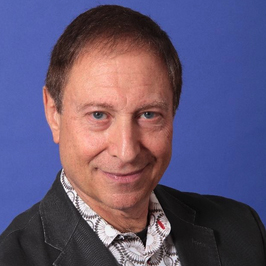
Dr. Richard Horowitz is a board-certified internist and the medical director of the Hudson Valley Healing Arts Center, an integrative medical center which combines both mainstream and integrative approaches in the treatment of Lyme disease and other tick-borne disorders. He has treated over 13,000 Lyme and tick-borne disease patients in the last 41 years, with patients coming from all over the US, Canada, and Europe to his clinic.
He has discovered a short term oral antibiotic protocol which is highly effective in the treatment of chronic Lyme disease, called dapsone combination therapy and is the author of two NY Times/National Bestsellers: Why Can’t I Get Better? and How Can I Get Better (St Martin’s Press 2013, 2017). His latest book from Simon and Schuster, Ending Chronic Illness, will provide a revolutionary model and plan for addressing the root causes of many chronic diseases as Dr H discovered that the 16 point MSIDS model he developed for the diagnosis and treatment of chronic Lyme, applies to most chronic illnesses on the planet.
New book: Ending Chronic Illness
Follow Dr. Horowitz on Substack
Follow along with the conversation
Download the Horowitz Lyme–MSIDS Questionnaire to better understand the clinical framework and concepts discussed throughout this episode.
New book: Ending Chronic Illness
Follow Dr. Horowitz on Substack
Books by Dr. Horowitz
Why Can’t I Get Better? Solving the Mystery of Lyme and Chronic Disease
How Can I Get Better? An Action Plan for Treating Resistant Lyme & Chronic Disease
People Mentioned
Dr. Richard S. Ostfeld from the Cary Institute of Ecosystem Studies
Monica White of Colorado Tick-borne Disease Awareness Association
Judith Miklossy, MD. PhD, DSc, FRCP(H) Neurology
Dr. Hans Frykman, MD, PhD, FRCPC – CEO and Medical Director at Neurocode
Dr. W. Lee Cowden and the Cowden Protocol
Related Conversations on New Frontiers
p-Tau 217: The Breakthrough Biomarker Revolutionizing Early Alzheimer’s Detection
Published Research from Dr. Horowitz
Mycobacterium Drugs for Resistant Lyme & Autoimmune Disease
NEW PUBLICATION: Dapsone Therapy and Inflammation Biomarkers (including p-tau) in Chronic Lyme
Double- and High-Dose Pulsed Dapsone for Chronic Lyme
Longer vs Shorter High-Dose Dapsone Therapy
Double-Dose Dapsone Therapy for Chronic Lyme
Dapsone and Antibiotics Against Lyme Biofilms
Precision Medicine in Chronic Lyme: 200-Patient Review Part 1
Precision Medicine: The MSIDS Model for Chronic Lyme & Chronic Illness Part 2
Dapsone as a Novel “Persister” Drug for Chronic Lyme
Combination Antibiotics vs Monotherapy in Lyme Disease (mouse model)
Additional Research Mentioned
Lyme and Stevia
Lyme & Alzheimer’s Pathology
Borrelia burgdorferi Co-Localizing with Amyloid Markers in Alzheimer’s Disease Brain Tissues
THE 3-D Pictorial Spirochetal Pathway to Alzheimer’s Disease
Biofilms Research
Effect of Antibiotics in Preventing Borrelia burgdorferi Biofilm Formation
Presentations by Dr. Horowitz
Doctor Talks Dapsone documentary 2024: Discover Healing: 18 Dapsone Testimonials
Doctor Talks Dapsone documentary 2025: 9 Stories Of Healing With Combination Therapy & The MSIDS Model
Labs & Products Mentioned
Liposomal Cinnamon, Clove, and Oregano from Doctor Inspired Formulations
HistaQuel by Research Nutritionals
Limbic Training Devices/Programs
Dynamic Neural Retraining System
Gupta amygdala insula retraining program
Offers for New Frontiers Listeners
Fullscript Journeys: A modern patient lab testing experience, powered by provider expertise. Head to www.fullscript.com to learn more.
Equelle: Trusted multi-symptom menopause relief to support estrogen decline. Visit Equelle.com and use Code DrK20 for 20% off your first one-time purchase of Equelle.
Podcast: Dr. Barry Sears (of Zone Diet Fame) on Lifetime Metabolic Health and Sourcing Omega-3s
Podcast: Specialized Pro-Resolving Mediators (SPMs): As Close to a Panpharmacon as We Can Get?
Podcast: Why Functional Medicine Is the Future of Longevity
Podcast: Are You a Fast Metabolizer of Omega Fatty Acids? Lessons from a Legend.


Younger You Daily Supplements are Now Here!
What could be more convenient than having your daily supplements all pre-portioned in one pouch? Choose your level to get the combination of supplements that’s right from you. Monthly subscription available.
(note you’ll be leaving www.drkarafitzgerald.com to go to www.vitaboom.com to complete your purchase)

Related posts