Kara Fitzgerald, ND, received her doctor of naturopathic medicine degree from the National University of Natural Medicine in Portland, Oregon. She completed the first Counsel on Naturopathic Medicine-accredited post-doctorate position in nutritional biochemistry and laboratory science at Metametrix Clinical Laboratory under the direction of Richard Lord, PhD. Her residency was completed at Progressive Medical Center, a large, integrative medical practice in Atlanta, Georgia.
Dr. Fitzgerald is the lead author and editor of Case Studies in Integrative and Functional Medicine and is a contributing author to Laboratory Evaluations for Integrative and Functional Medicine and the Institute for Functional Medicine (IFM)’s Textbook for Functional Medicine. With the Helfgott Research Institute, Dr. Fitzgerald is actively engaged in clinical research on the DNA methylome using a diet and lifestyle intervention developed in her practice. The
first publication from the study focuses on reversal of biological aging and was published 04-12-2021 in the journal Aging. She has published a consumer book titled
Younger You as well as a companion cookbook,
Better Broths and Healing Tonics and has an application-based
Younger You Program, based on the study.
Dr. Fitzgerald is on the faculty at IFM, is an IFM Certified Practitioner and lectures globally on functional medicine. She runs a Functional Nutrition Residency program, and maintains a podcast series, New Frontiers in Functional Medicine and an active blog on her website,
www.drkarafitzgerald.com. Her clinical practice is in Sandy Hook, Connecticut.
Additional publications
Julie Matthews, Certified Nutrition Consultant Julie Matthews is a Certified Nutrition Consultant specializing in autism spectrum disorders, ADHD, and nutrition for pregnancy for the past 15 years. With her autism work as a model for addressing chronic disease, she created the BioIndividual Nutrition® approach which customizes diet and nutrition needs to meet each person’s unique biochemistry…
Dr. Alschuler is a world-renowned expert in integrative oncology. Lise is well-versed in the current literature and has done a remarkable job in translating findings into actionable steps (listen for her approach to the five key bodily pathways in oncogenesis and how to address them). A teacher to her core, Lise a mentor to many of us, myself included. This is a jam-packed discussion on cancer prevention and management, from the soul-searching demands of a cancer diagnosis to highly practical treatment approaches.

You eat more calories if you’re sleep deprived
Insulin resistance lowered 30% with just one day of low-carb eating
Diet is a significant factor in migraines
Cultivate delayed gratification skills to improve your food choices
Consuming too much alcohol? Check your stress levels.
Night shift work increases cancer risk for men, which can be partially offset by daytime napping
Maternal B12 deficiency and increased type 2 diabetes and metabolic dysregulation in offspring thought to connect through methylation and epigenetic gene regulation
Emulsifiers, a common food additive linked to colon cancer via altered gut microbes
Easy breathing for non-meditators
Improve sleep quality by reducing smartphone screen time?
E-cig vapors contain cancer-causing chemicals
Skin microbes protect against oxidative stress
Probiotics improve cognition in Alzheimer’s patients
Baby, meet peanuts! Reducing the risk for peanut allergy.
Stress changes maternal gut flora and leaves offspring with long-lasting effects
Gut microbes as messengers for cross-talk between the immune system and glucose metabolism
Probiotics+diet may more than double A1C reductions vs diet alone
Schizophrenia: the role of the gut-brain axis
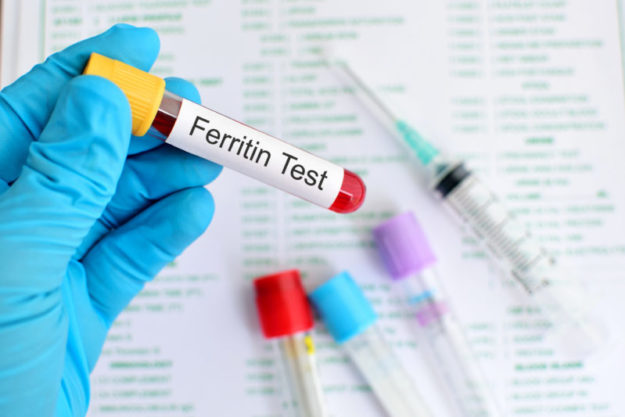
Often vilified, the so-called “anti-nutrients” like oxalates, phytates and tannins can be strategically employed in the diet to inhibit iron and toxic metal absorption and successfully lower ferritin in iron overload as a part of an overall plan for hereditary hemochromatosis (HH).
Bone broth (or stock) is fabulous for healing intestinal permeability. It contains collagen, which nourishes the intestinal lining and reduces inflammation.
Yes, you can eat your methylation nutrients! This delicious burger is rich in methylation amino acids (methionine, cysteine, taurine), as well as B vitamins, betaine, choline and zinc, cofactors for homocysteine metabolism and necessary for forming methionine and the all-important methyl donor, SAMe
You’ve likely heard a lot about vitamin D lately.
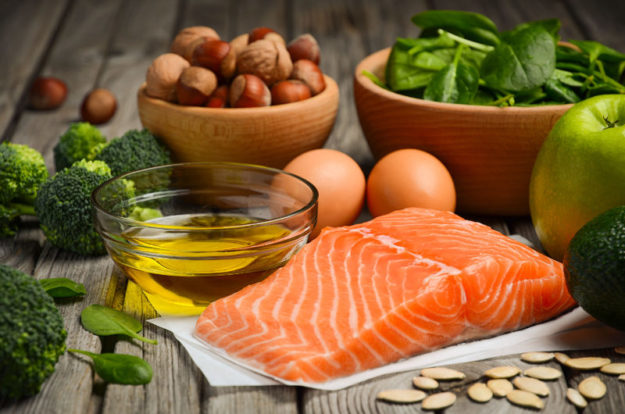
Fat is making a comeback! The “diet” and “low fat” craze has started to abate.
Many people to turn to complementary therapies as part of their pain management repertoire.